About Pakistan
History
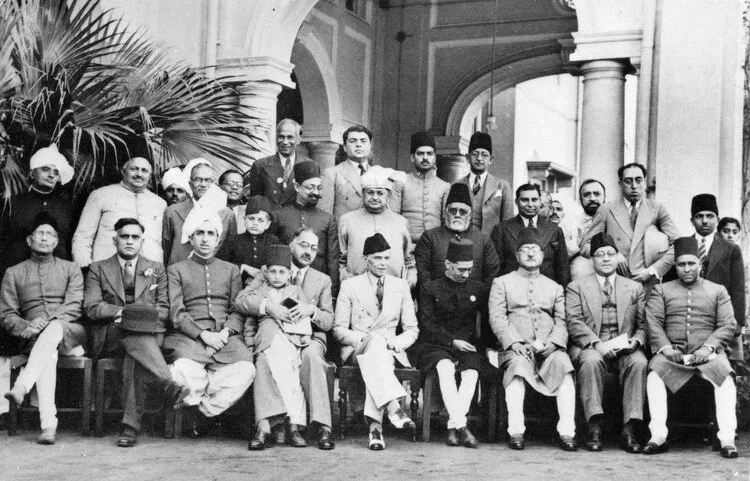
All-India Muslim League leaders in Lahore in 1940.
Muhammad Ali Jinnah was the leader of the All-India Muslim League from 1913 to 1947 and led the Pakistan Movement which sought to create a new state that protected the political interests and religious identity of Muslims in the Indian subcontinent, which was ruled at the time by the British Empire.
On August 14, 1947, western and eastern portions of the British Empire in South Asia became the independent state of Pakistan. In 1971, East Pakistan became the independent state of Bangladesh.
Read More in The Dawn of Pakistan.
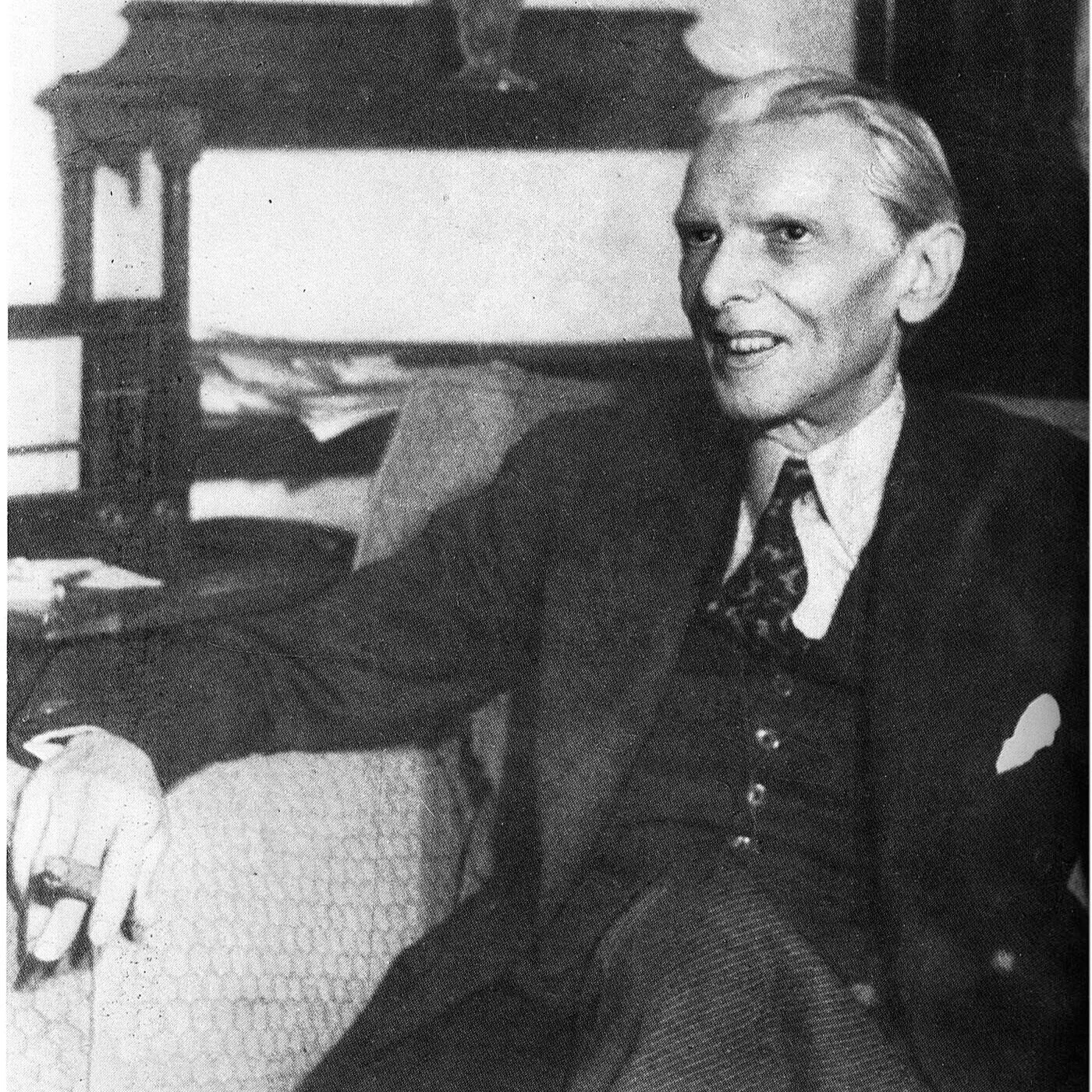
Muhammad Ali Jinnah, founder of Pakistan.
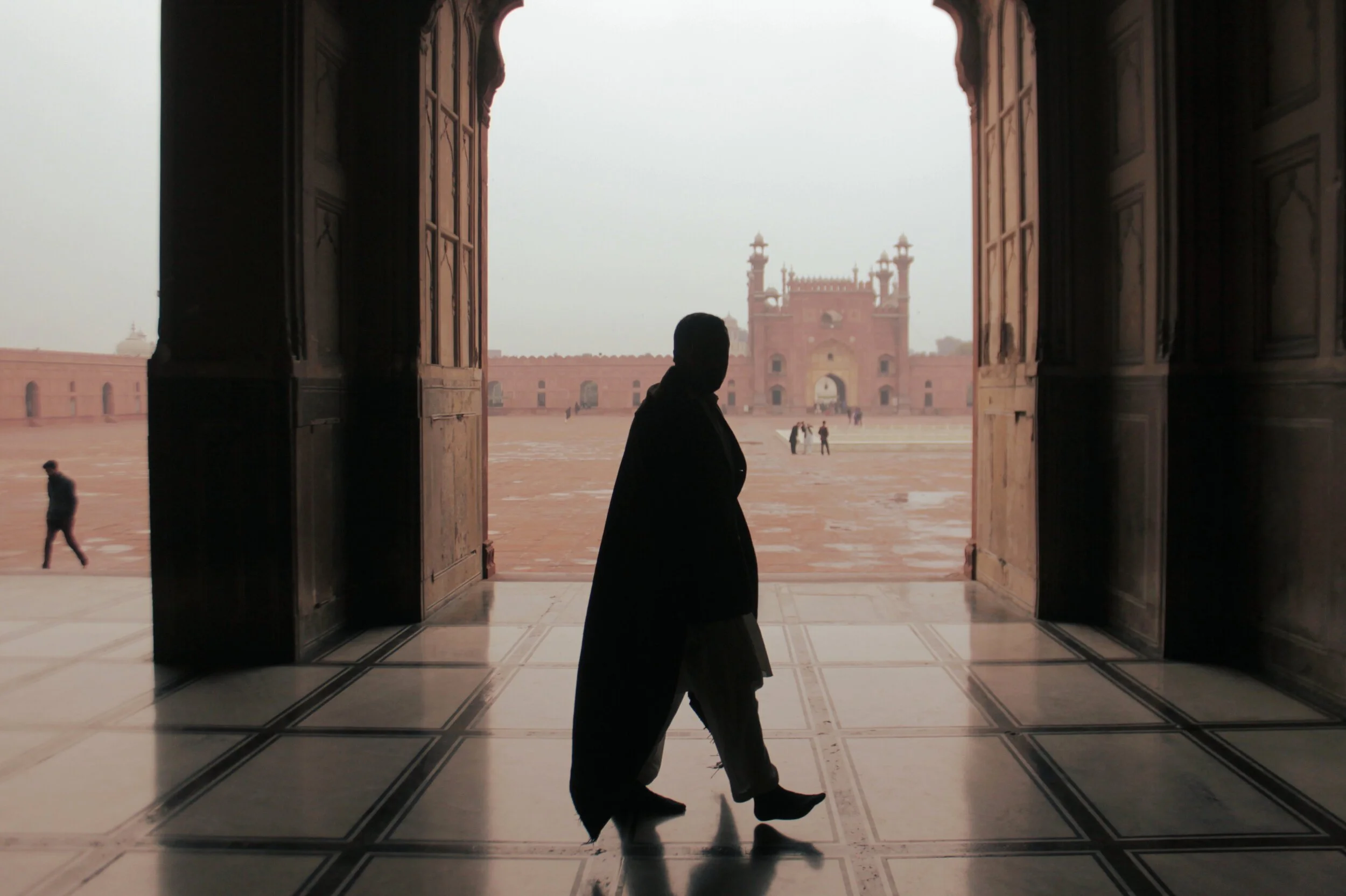
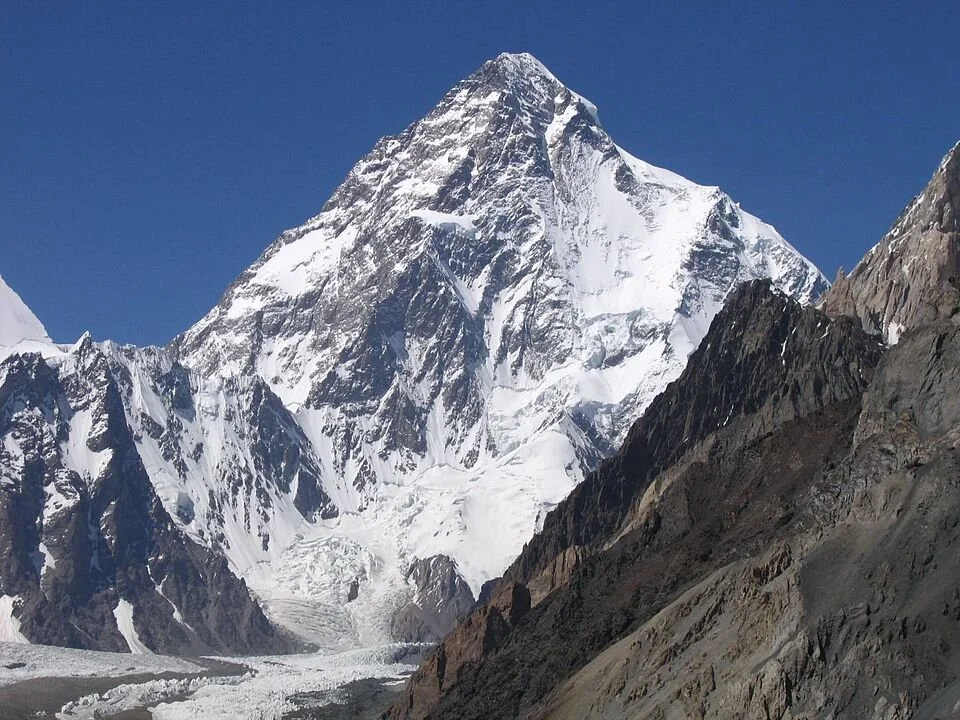
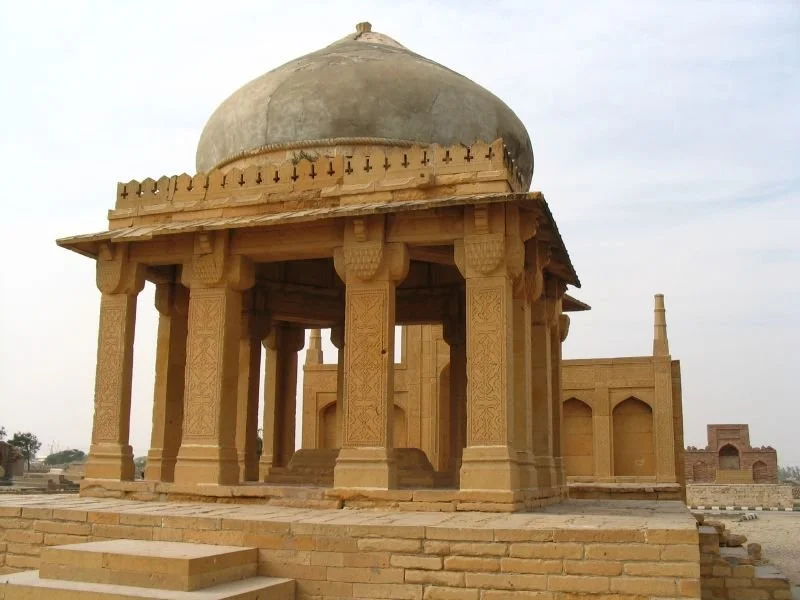
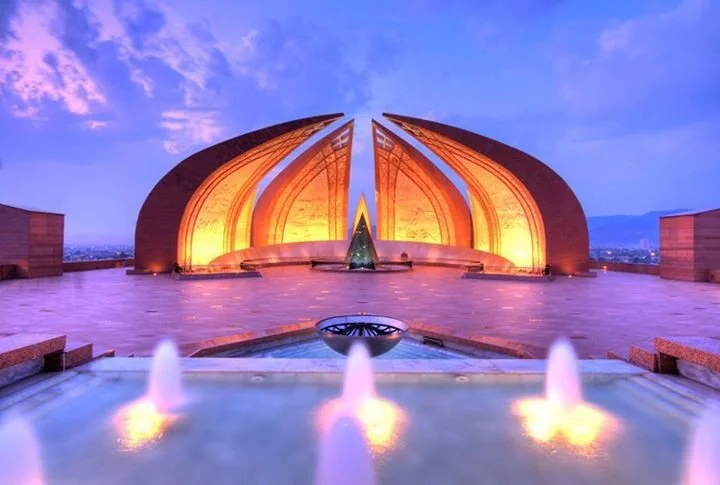
World Heritage in Pakistan
The United Nations Education, Scientific, and Cultural Organization (UNESCO) has designated six locations in Pakistan as World Heritage sites.
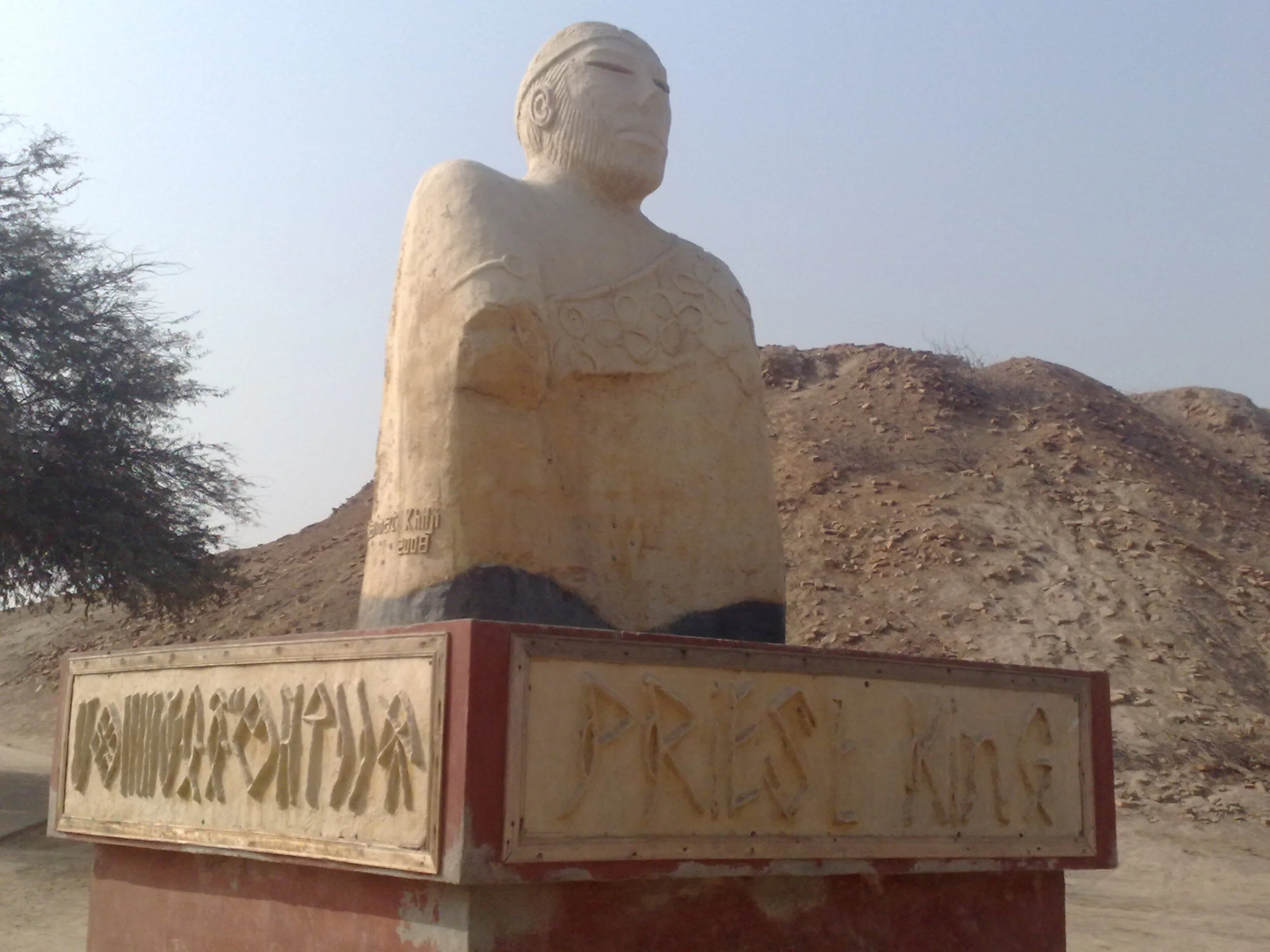
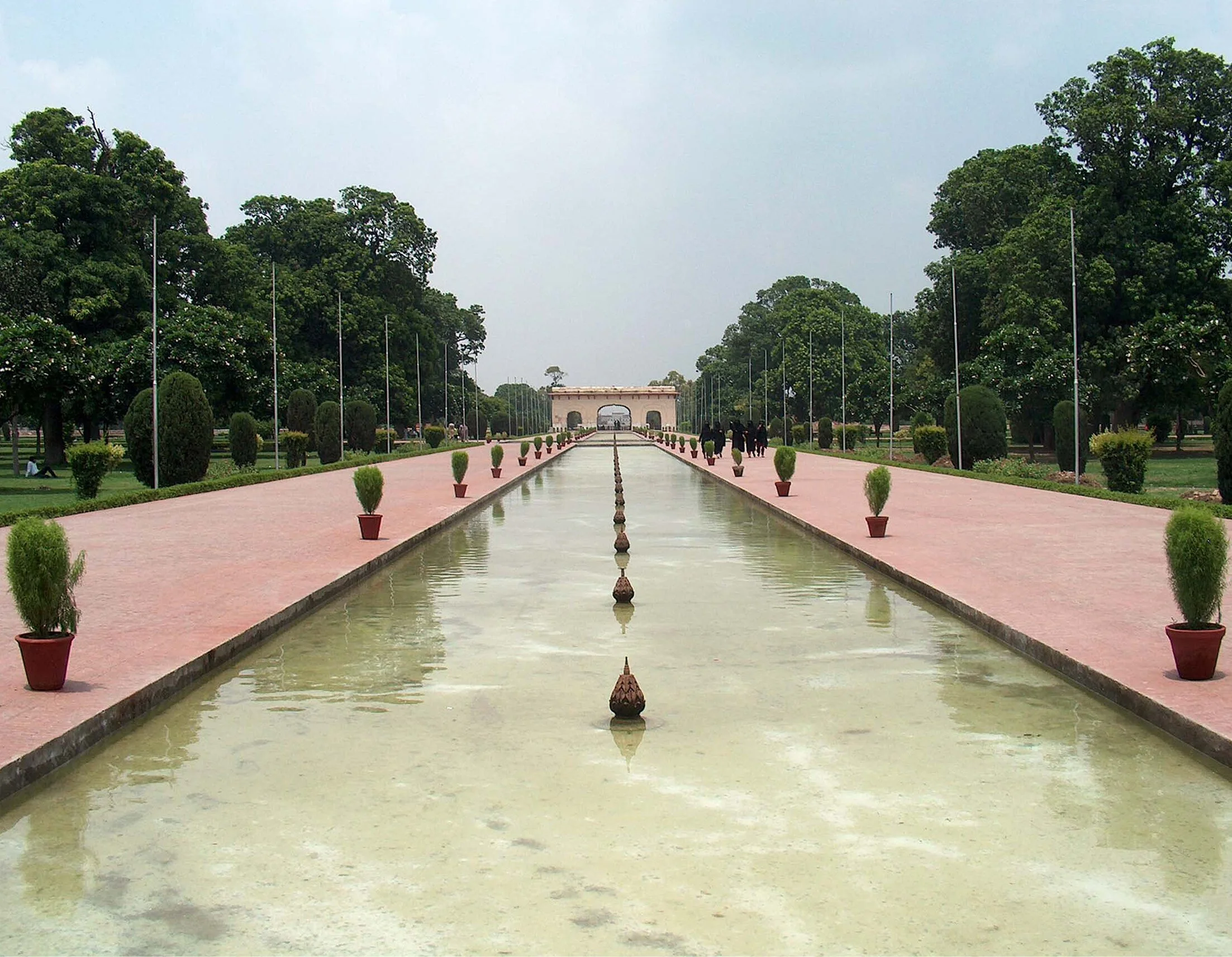
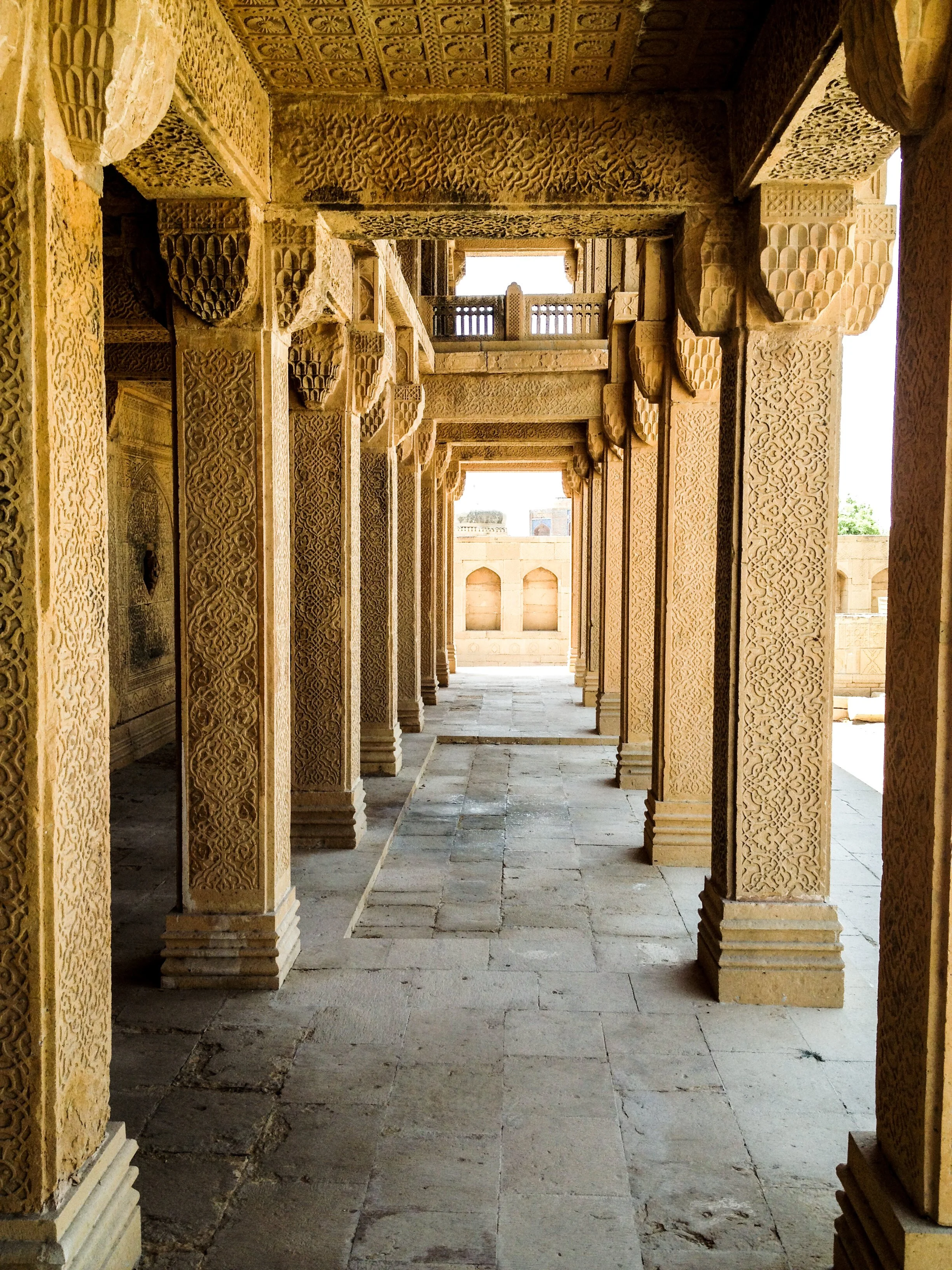
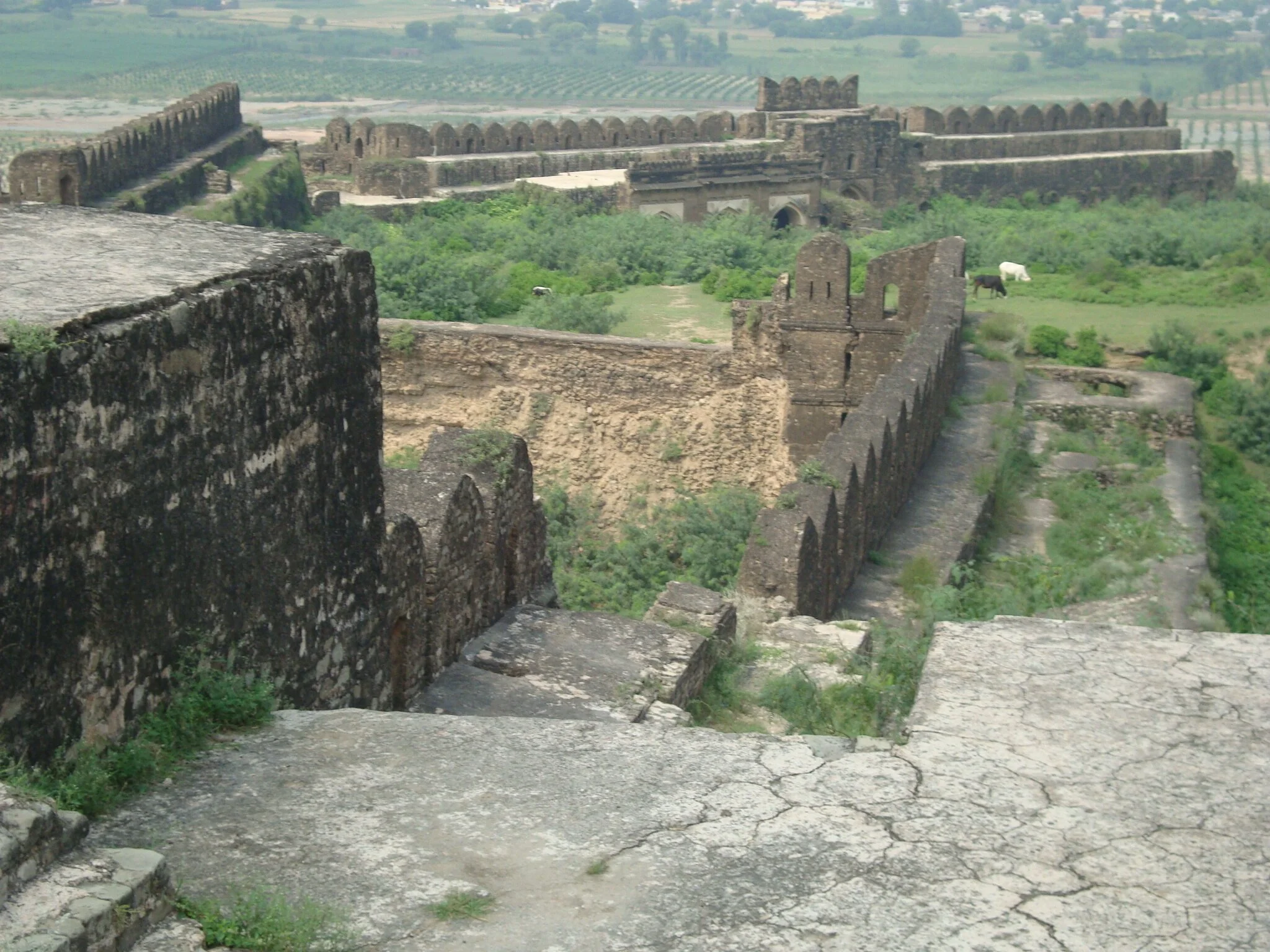
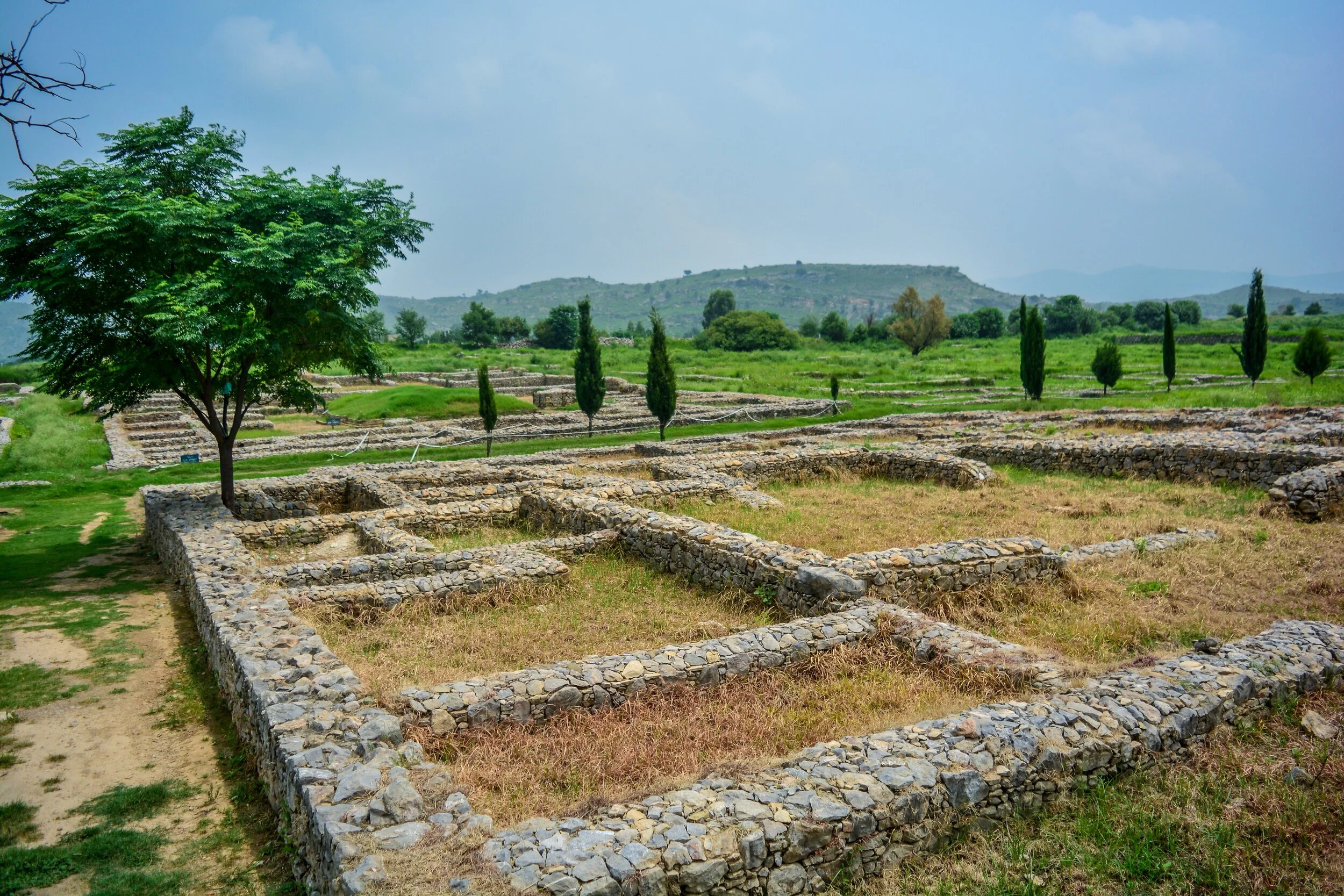
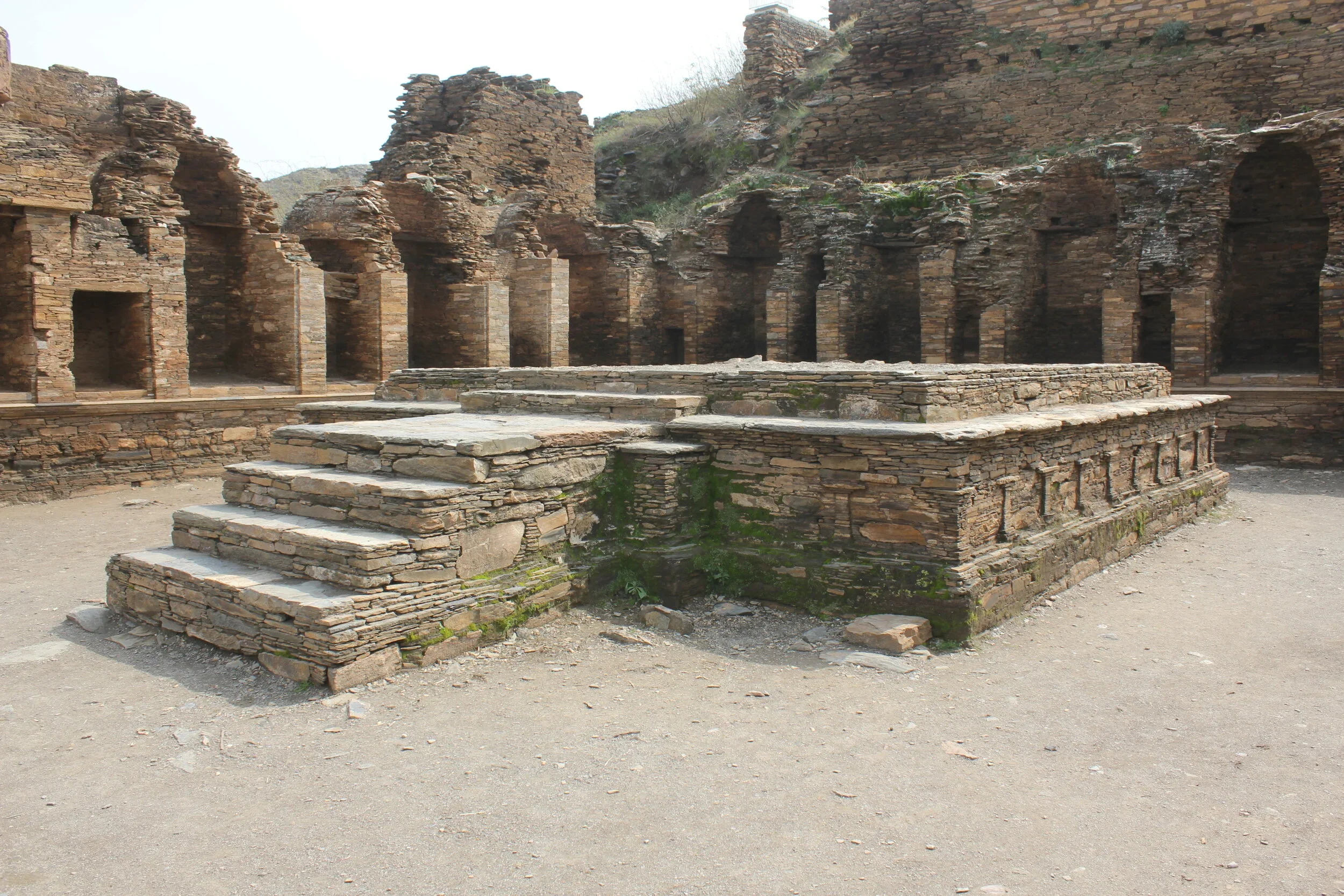
Monuments + Sites
Pakistan is home to some of the highest mountains in the world and the oldest sites of antiquity. Its monuments, landscape, and architecture tell the stories of diverse and multifaceted historical and cultural identities that persist to this day.
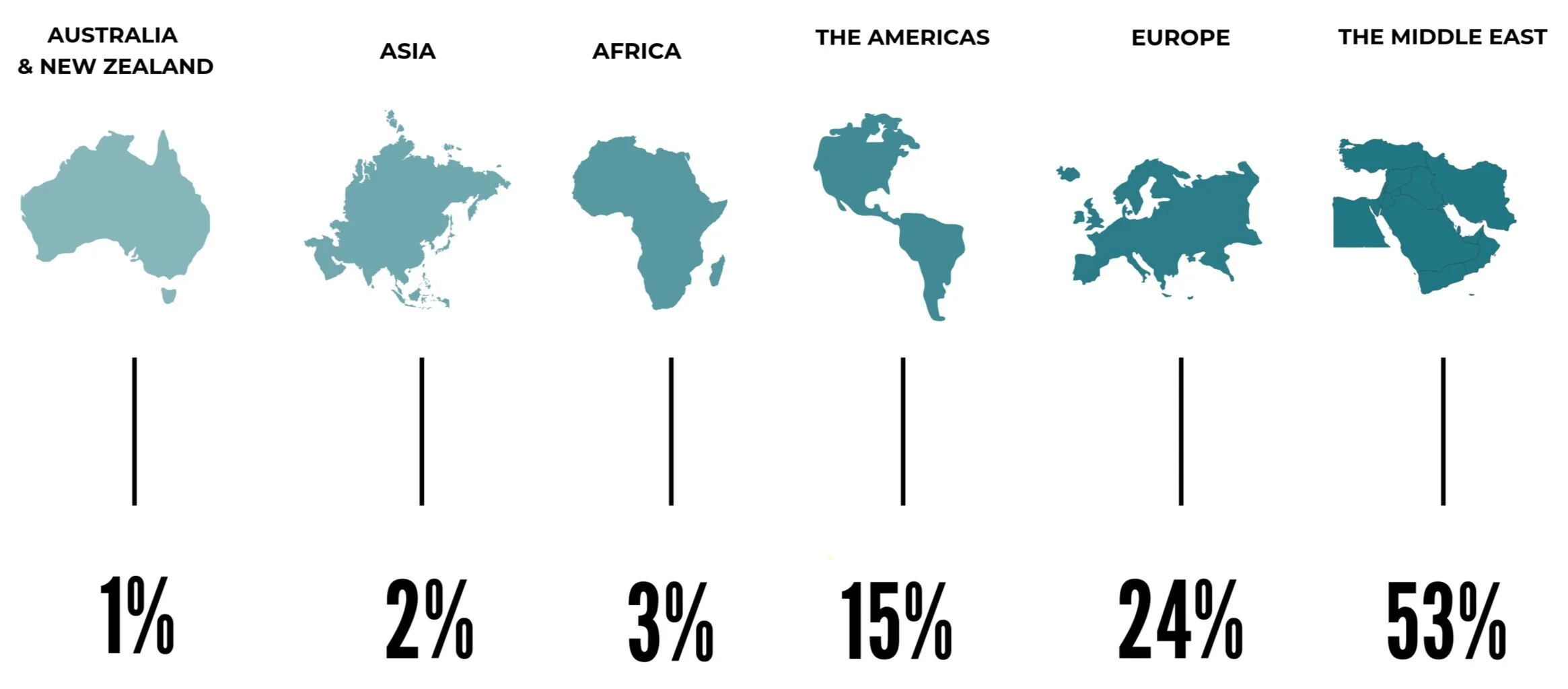
Pakistanis Around the World
Approximately 9 million Pakistanis live overseas.
DEMOGRAPHICS
Population: 244,000,000 (2024). Pakistan is the fifth most populous country in the world.
Languages Spoken: Urdu; English; Punjabi; Pashto; Saraiki; Sindhi; Balochi
Major Religions: The majority of Pakistanis observe Islam but a small percentage practice Hinduism and Christianity.
Ethnic Groups: Pakistan has six major ethnic groups: Punjabi; Pashtun; Sindhi; Saraiki; Muhajir; Balochi. There are many other ethnic groups of smaller population.
GEOGRAPHY
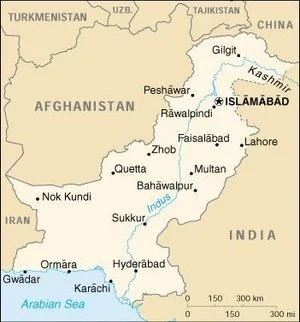
Pakistan shares land borders with India, China, Iran, and Afghanistan, and is bordered by the Arabian Sea to its south.
THE FLAG
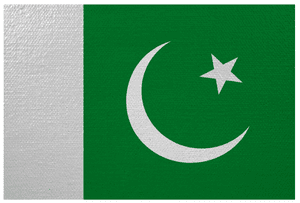
The flag of Pakistan represents the country’s commitment to religious minorities and also its Islamic identity. The green, the star, and crescent symbolize Islam, while the white stripe represents religious minorities.
GOVERNMENT
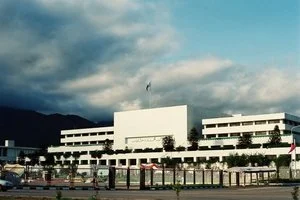
Pakistan has a Parliament that is comprised of a National Assembly and a Senate. The state is governed by a Prime Minister which is considered the “chief executive” and “head of government” and a President who is the “head of state.”
ECONOMY
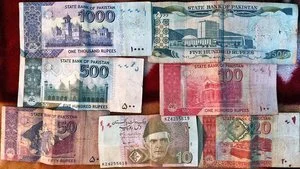
Pakistan’s economy is dominated by the agriculture, trade, and services sectors.
Major agricultural products include wheat, rice, cotton, sugarcane, vegetables, fruit, milk, beef, and eggs.
Major industries include food processing, pharmaceuticals, surgical instruments, textiles and apparel, construction materials, paper products, fertilizer, and shrimp.
Pakistan’s economy resembles the middle-income countries of Southeast and East Asia.
Explore Pakistan

Media
Arts + Culture
Food
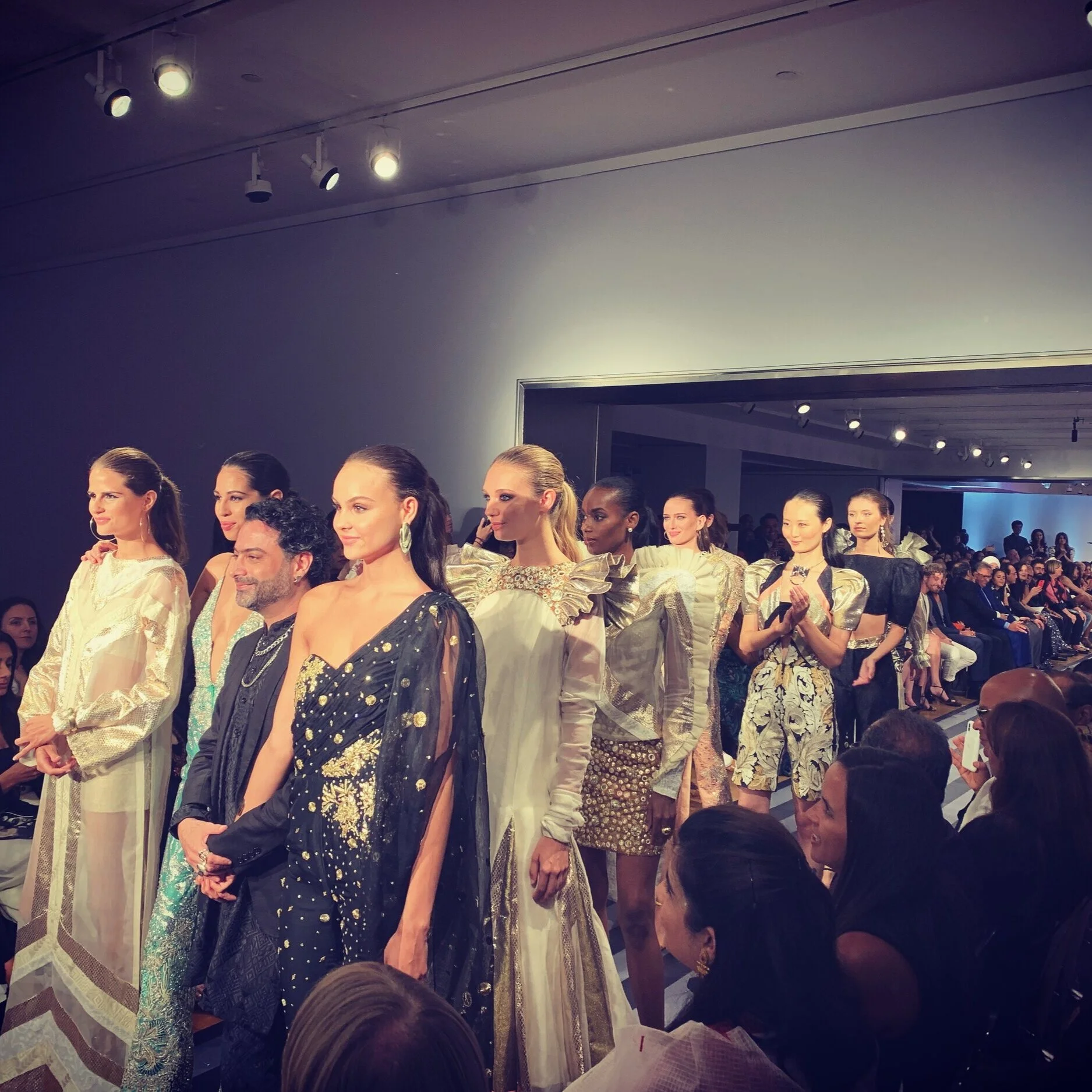
Fashion