Addressing Food Insecurity Through Community Institutions: Insights from Rural Punjab
Haadiya Ahmed
APF-NRSP Fellow 2025
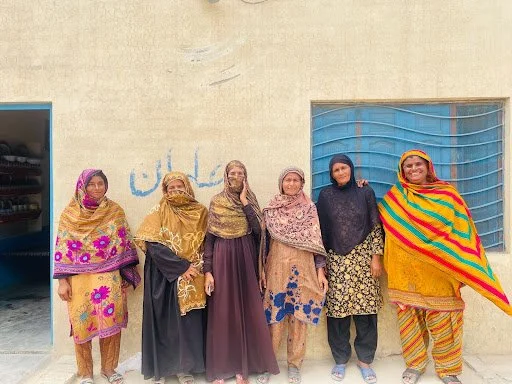
Image 1: Participants outside a villager’s home in Darya Khan tehsil in Bhakkar, Punjab.
Punjab is an agricultural heartland and the wheatbasket of Pakistan. Despite producing the majority of the country’s gandum or wheat, the province is increasingly strained by economic instability and climate-induced shocks. Rising food prices, stagnant wages, and inequitable access to markets have left poor rural households struggling to meet basic needs, primarily food. Climate change compounds these challenges: recurrent floods along the Indus basin, shifting rainfall patterns, and intensifying heatwaves have disrupted agricultural production, diminishing yields in recent years.
Smallholder and landless farmers—who make up most of the agricultural workforce— especially struggle under these pressures, where each season feels more precarious than the last. These vulnerabilities are acutely felt during what is known as “hunger season”—a recurring period of food insecurity between planting and harvesting of wheat. With low food supply, families often cut back on the quantity of food they consume and many are forced to skip meals altogether. In larger households, wheat is rationed, and entrenched sociocultural norms often mean that girls go hungry so that boys, considered a priority, receive the family’s limited share. The effects are severe: widespread malnutrition and poor health, particularly amongst women and children.
To explore practical responses to these vulnerabilities, I spent the summer working with the National Rural Support Programme (NRSP), observing how the organization addressed issues like food insecurity. NRSP’s model centers on social mobilization and the belief that “people hold potential.” Through organizing communities and capacity-building mechanisms, NRSP empowers communities to lead development themselves. As someone committed to community-driven solutions, I was inspired by NRSP’s mission, which challenges conventional, top-down, approaches to development.
At NRSP, I learned that when designed with attention to sustainability, locally-led efforts could transform societies—a lesson that became especially clear during my project.
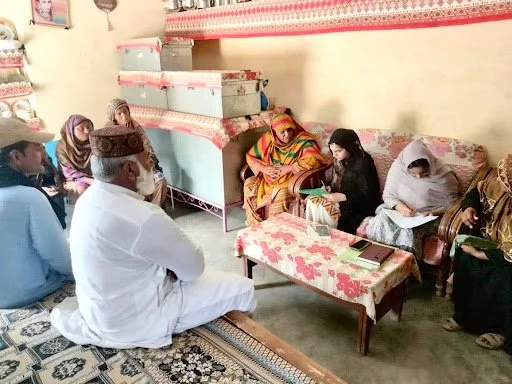
Image 2: Conducting interviews with participants inside of a villager’s home in Darya Khan tehsil in Bhakkar, Punjab.
Community Food Banks, a Solution for Food Insecurity?
In 2022, NRSP administered 100 community food banks (CFBs) in rural communities across Punjab, Pakistan with the purpose of alleviating food insecurity and seasonal hunger. However, no follow up had been conducted to assess the sustainability of the food banks, and to what extent they had served the community since the project’s completion. Seeing this gap, I designed a post-ex impact assessment, titled “Community Food Banks: A Mechanism to Address Food Insecurity Amongst Rural Populations in Punjab” that evaluated the effectiveness of the CFB model as an intervention to address food insecurity.
For my fieldwork, I travelled to villages in Esa Khel, Kamar Mashani, Darya Khan tehsils across Mianwali and Bhakkar and visited the community food banks in each area. There, I conducted semi-structured individual interviews with beneficiaries, social organizers, and NRSP staff. Community members primarily spoke Saraiki and Pashto, so interviews were conducted with the help of local staff who translated at times throughout the interviews.
What are community food banks? CFBs are food banks that allow community members to borrow grain free-of-cost during times of shortage. However, villagers are expected to return the wheat after the following harvest. The unit will then maintain and store the wheat so they, or another household, can access it in the lean season.
For the unit to operate self-sufficiently, there is a condition: villagers must return the amount of grain they borrowed plus 20 percent. For example, if they borrowed 200 kilograms during the distribution cycle, they must return 220 kilograms during the recovery cycle. The additional 20 percent grain that is collected is then sold in the market. Profit accumulated is used to cover operational costs of the unit and to mitigate against any potential losses.
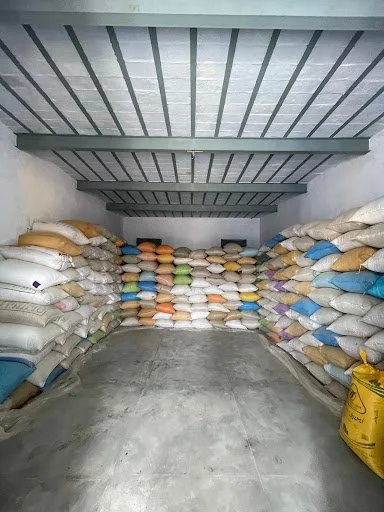
Image 3: Inside of a community food bank unit after the recovery cycle in Esa Khel tehsil in Mianwali, Punjab.
In doing this project, I was curious about whether these community food banks were still operating, whether they were beneficial to the community, and whether they made any progress in alleviating food insecurity. Upon arrival, I found that each community food bank was still fully in use — due to a wide range of factors, but most importantly, the growing need of the community and the self-sustaining model of the food bank.
My conversations with the villagers revealed an overwhelmingly positive support for community food banks. Locals affirmed that the implementation of the food banks had improved their access to wheat, especially in the winter months when they would typically experience shortages. It also offered a measure of dignity and economic security for families because they no longer had to rely on others or take on debts to get grain. Time spent laboring and money spent to buy grain and flour at exorbitant prices could now be saved and spent elsewhere. One beneficiary described that they were saving the money that was previously being used to buy flour to invest in their children’s education.
Many community members expressed a wish to see the initiative spread across Punjab and beyond, so others could share in its benefits as well. That instinct — to think first of how others might gain — underscores just how deeply community-centered this society is.
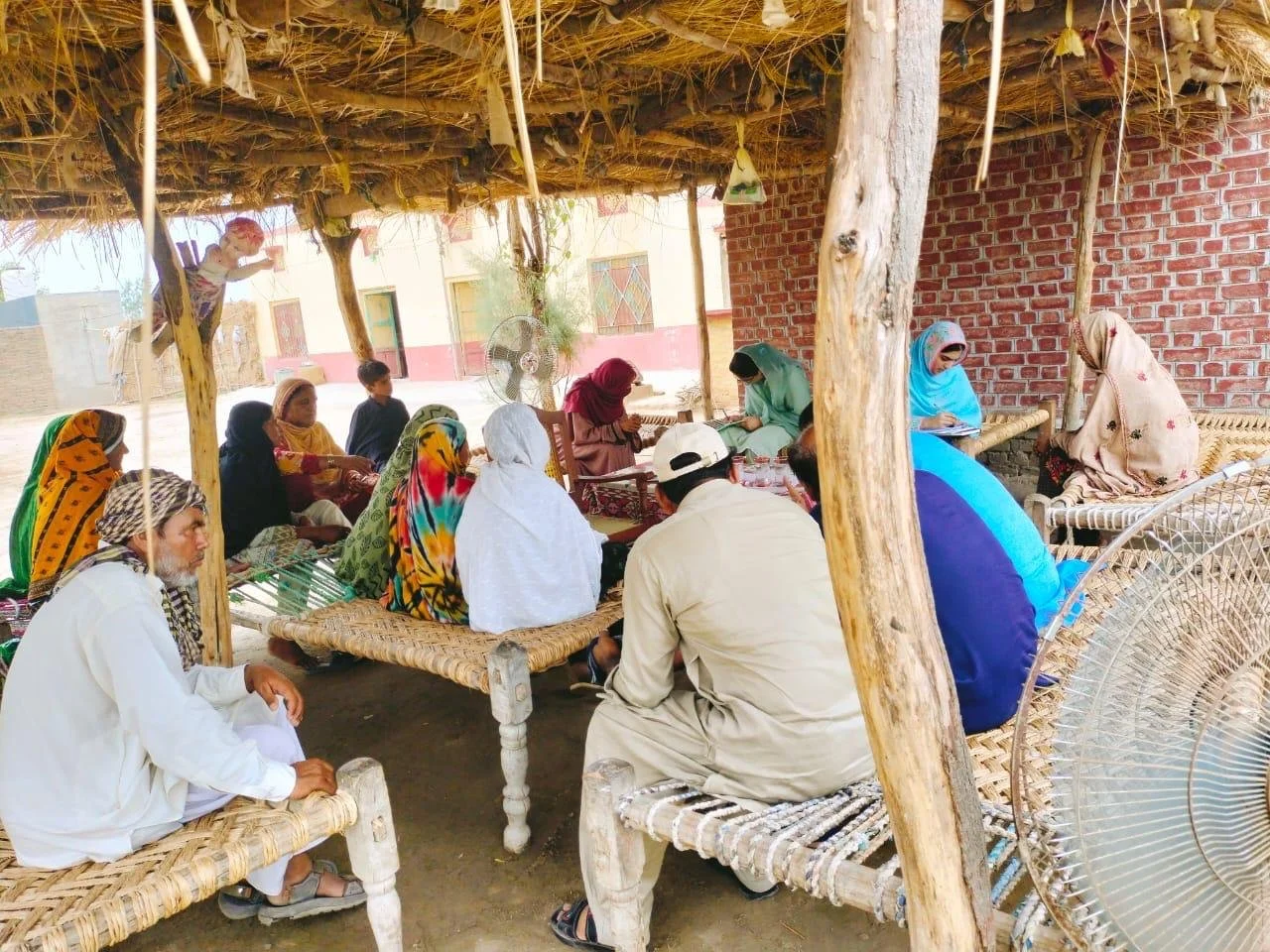
Image 4: Conducting interviews with participants outside of a community food bank in Darya Khan tehsil in Bhakkar, Punjab.
Empowering Women within Rural Communities
Because the project’s beneficiaries were all women, I was eager to understand how this intervention might have had an impact on the role of women within these communities. I found that it did. The women I spoke with explained that, in the past, they were excluded from local markets—it was considered culturally inappropriate for them to go, and even if they did, shopkeepers often refused to sell to them. On the rare occasions when women were allowed to buy wheat or flour, they were charged unfairly high prices for small quantities.
The NRSP project design required that the selected beneficiary personally borrow and return the wheat grain, compelling women to step out of their homes. Over time, they have grown increasingly confident in being visible and active within their communities. Other community members have also become used to and comfortable seeing women take on this role. In every community I visited, women and men both described this shift with a sense of pride, their voices revealing just how significant this change felt.
They also spoke of how the intervention had begun to reshape household dynamics. With wheat supply secured through the food banks, men no longer carried the sole burden of procuring grain or flour. Responsibilities were shared more equitably, easing tensions at home and improving the overall atmosphere within families. For many women, this was not just about food security—it was about recognition and agency in both the household and the wider community.
These outcomes indicate how this intervention empowered women of these communities, allowing them to move from traditionally passive roles to becoming agents of change in their households and communities.
You can read my full report here.
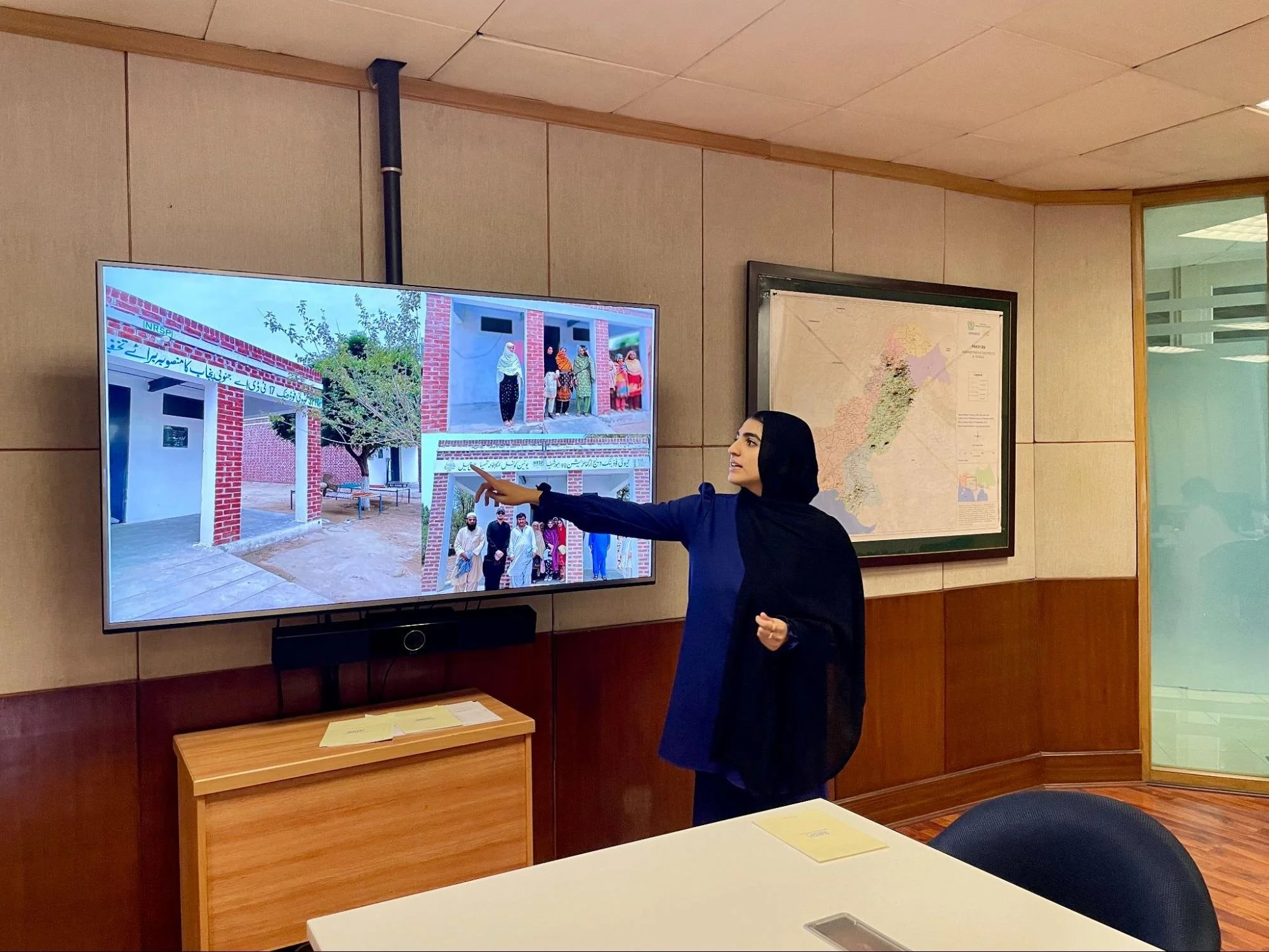
Image 5: Presenting findings at the NRSP head office in Islamabad, Pakistan.
My Takeaways
This fellowship offered invaluable insights into the technical and social realities of development work in Pakistan. Operationally, it required learning how to navigate the politics of this space— working around political agendas, gaps in governance, and funding restrictions.
Fieldwork also demands constant adaptability to shifting social and environmental dynamics. For example, implementing women’s empowerment initiatives in conservative rural areas often required working with all-male teams, as few women were part of the local workforce. Additionally, local movements, protests, or political events sometimes restricted access to project sites, requiring flexibility in scheduling and data collection. Rising climate change patterns added further uncertainty: extreme temperatures, flooding, and sudden weather shifts disrupted implementation while also devastating the very communities we aimed to serve.
Despite these challenges, this field experience reinforced my belief in the potential of the people themselves. In our conversations, community members voiced their ideas to expand the community food bank and use it to tackle other challenges. Their creativity, innovative mindset, and desire to problem-solve— despite limited resources— is inspiring.
The communities’ dedication to their food banks, and the pride they took in sustaining them, demonstrates that successful development requires local ownership. In Mianwali and Bhakkar, the food banks were not just institutions but living parts of the community itself.
Ultimately, what we see is that empowering local communities is central to meaningful and lasting development outcomes.